Driving in the rain: a practical guide for beginners
Driving in the...
21.11.2026
What to check before setting off, how to adjust your driving and when to stop. Simple steps for visibility, following distance and control.
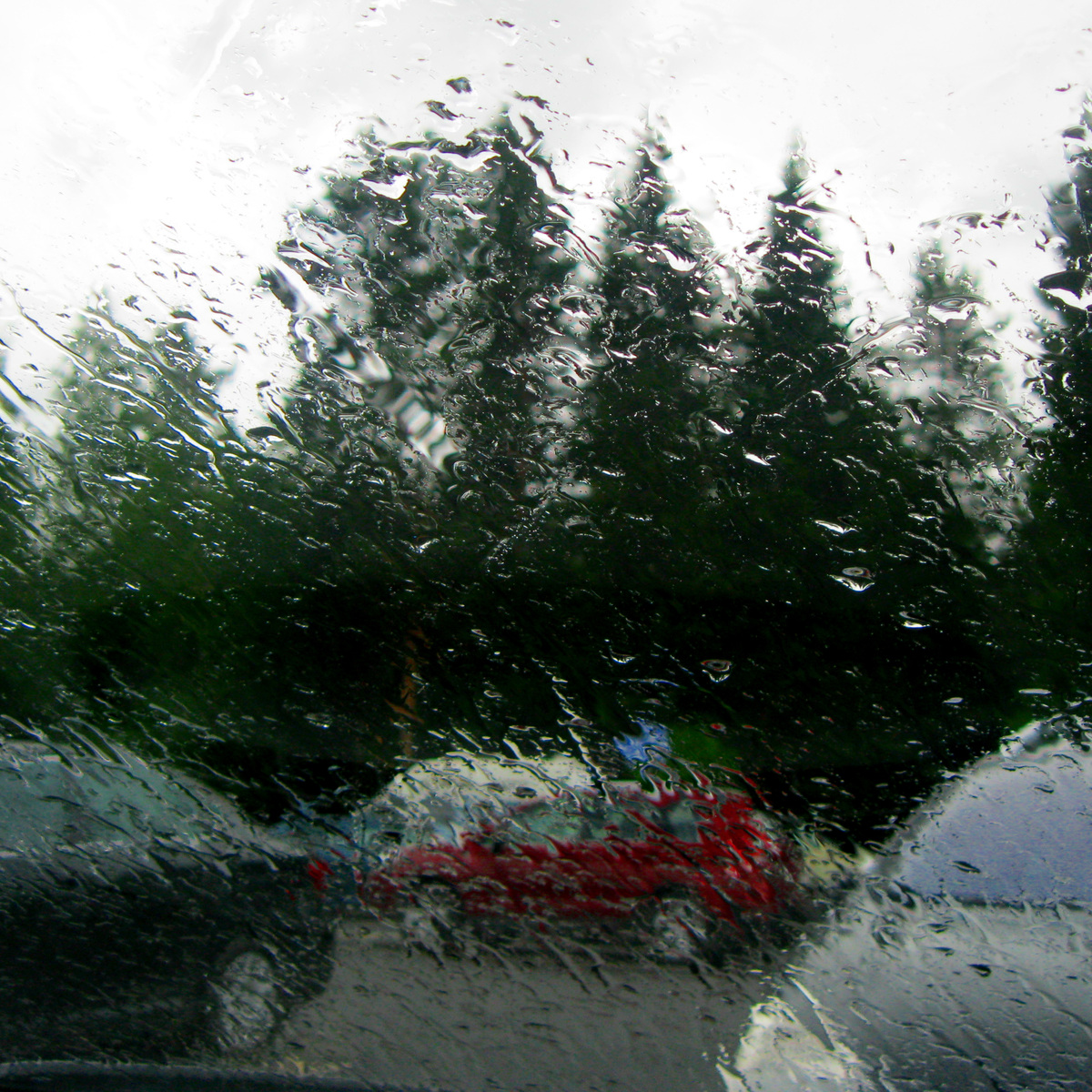
Your first heavy downpour behind the wheel can make even a familiar journey demanding. Water on the windscreen, reflections and spray from other vehicles change what you can see. The aim is to give yourself more time and space to react.
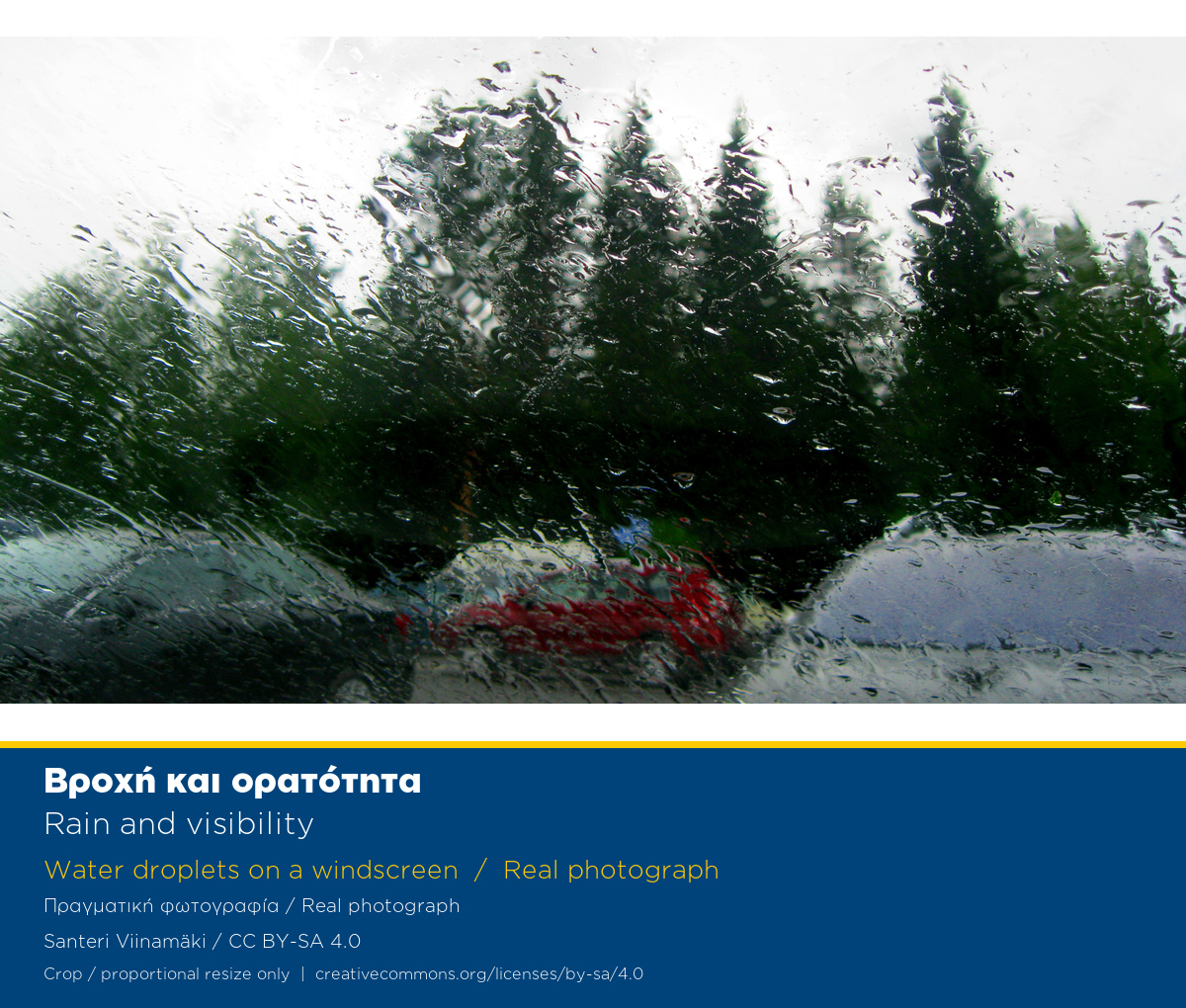
Figure 01. Water droplets on the windscreen reduce the clarity of the view outside.
Εικόνα 01. Σταγόνες νερού στο παρμπρίζ περιορίζουν την καθαρή εικόνα προς τα έξω.
Περικοπή / αναλογική αλλαγή μεγέθους και χωριστές λεζάντες. Crop / proportional resize and separate captions. Photo adaptations retain the source licence.
Before setting off, check the route and the car
Check the forecast and warnings from the Hellenic National Meteorological Service, along with road-condition announcements. Follow instructions from the authorities. If severe weather is expected, postpone a journey that is not essential.
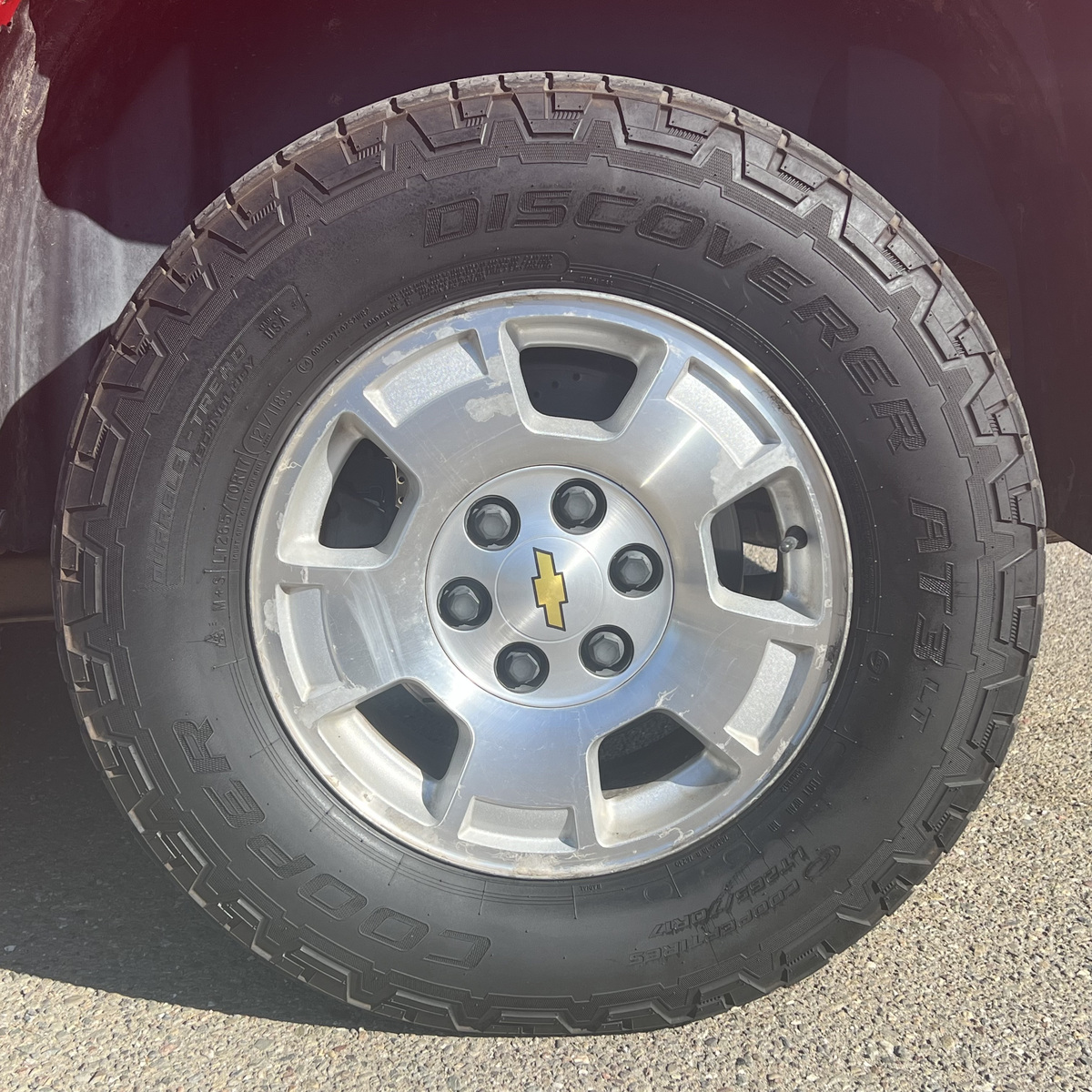
With the vehicle parked, locate the lights, windscreen wipers and demisting controls. Check that the tyres have no visible damage and that their pressures follow the manufacturer's instructions for your particular vehicle and load.
Clean the windscreen, windows, mirrors and light lenses. Test the washers and wipers: persistent streaks or ineffective clearing need attention before the journey. Make sure the demisting system works and that you have suitable screenwash.
In rain, use dipped headlights so that you can see and be seen. Check that they are actually on, even if the vehicle has an automatic setting. Adjust the wipers to the rainfall and use the demister when necessary. If your view ahead remains inadequate, you need to stop somewhere safe.
Reduce speed in good time and leave a substantially larger gap behind the vehicle ahead. A wet surface reduces grip and increases stopping distance. Adapt to visibility, traffic and road conditions; no single speed is safe for every rainy journey.
Look well ahead, beyond the vehicle immediately in front. Prepare early for junctions, bends and pedestrians. If someone overtakes or moves into your gap, create space again without accelerating to close it.
Accelerate, steer and slow down progressively. For an expected stop, start reducing speed early. Advice about gentle braking does not mean avoiding the brake when a hazard requires an immediate response.
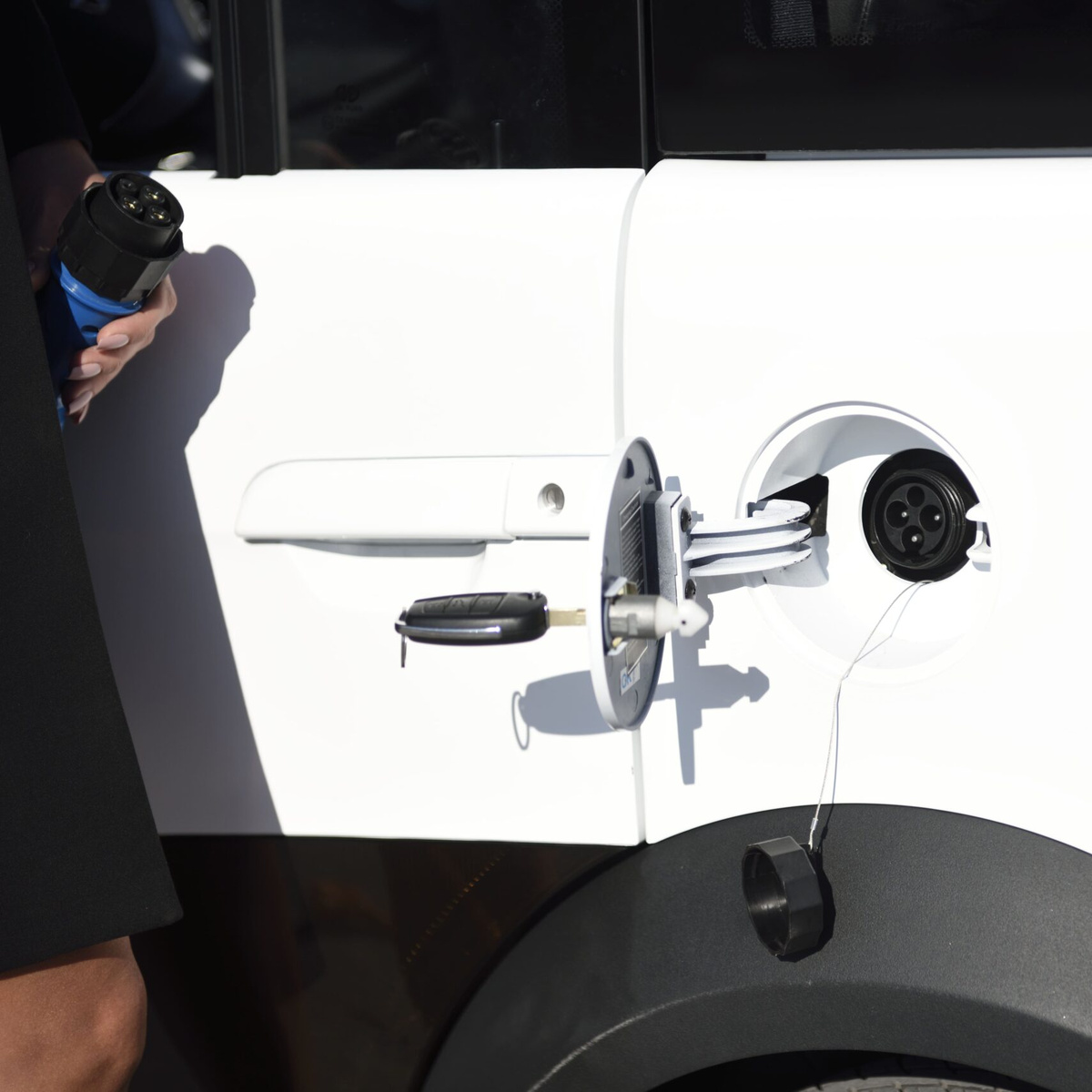
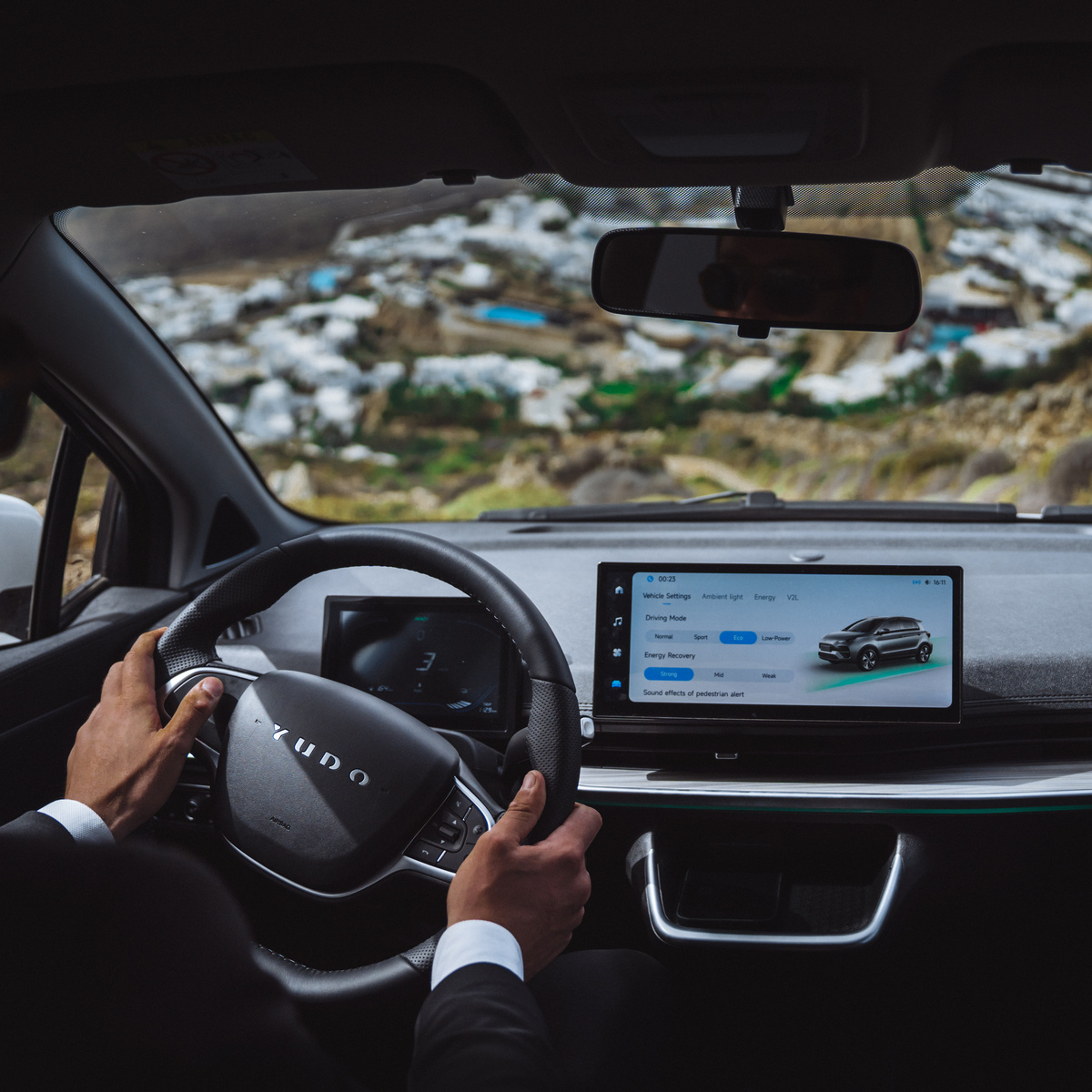
In an electric vehicle equipped with regenerative braking, easing off the accelerator may produce noticeable deceleration. Release the pedal smoothly and understand how your own car responds. Follow its handbook for any regeneration levels or one-pedal driving function. We do not recommend one setting for every EV, or experimenting with settings while moving.
Aquaplaning can occur when a layer of water separates the tyres from the road. Steering that suddenly feels unusually light or does not respond as expected may be a warning sign.
Hold the steering wheel steadily, ease off the accelerator gradually and avoid hard braking or abrupt changes of direction. Let speed decrease smoothly. Once grip returns, slow down in a controlled way as necessary. Do not make a sudden last-minute swerve to avoid water.
Water hiding the road: do not test whether you can get through
Do not enter pooled water if you cannot assess its depth or the condition of the road beneath it. It may conceal damage or obstructions. Do not follow another vehicle on the assumption that its passage guarantees yours.
At a flooded road, torrent or flooded low-water crossing, stop before the water and look for another safe route, following the authorities' instructions. This guide provides no universal safe water depth. An electric vehicle is no exception to the advice to avoid flooded roads.
If you cannot see your lane or the traffic ahead adequately, or the demister and wipers cannot restore visibility, do not push yourself to continue. Reduce speed smoothly and, if you can reach it safely, choose a designated parking area or service area away from moving traffic.
Do not choose a live traffic lane, a low spot where water collects or the space under a bridge as makeshift shelter. Avoid trees and power lines that could fall. If you become stranded somewhere dangerous or are threatened by flooding, call 112 and follow the operator's instructions.
You are driving home from work as the rain gets heavier. A lorry ahead is throwing up a lot of spray. You ease off the accelerator, increase your following distance and check the lights and wipers. The windscreen starts to mist up, so you use the demister.
Further ahead, water covers a low-lying crossing. You do not approach to see whether you can get through. You slow down before reaching it and choose another safe route. If visibility remains inadequate, you head for a safe parking area, provided you can do so safely. Once parked, you let the people waiting for you know and check the weather's progress.
In rain, the right decision may be a slower journey, a detour or a wait somewhere safe. Prepare before setting off and let the conditions determine your pace.
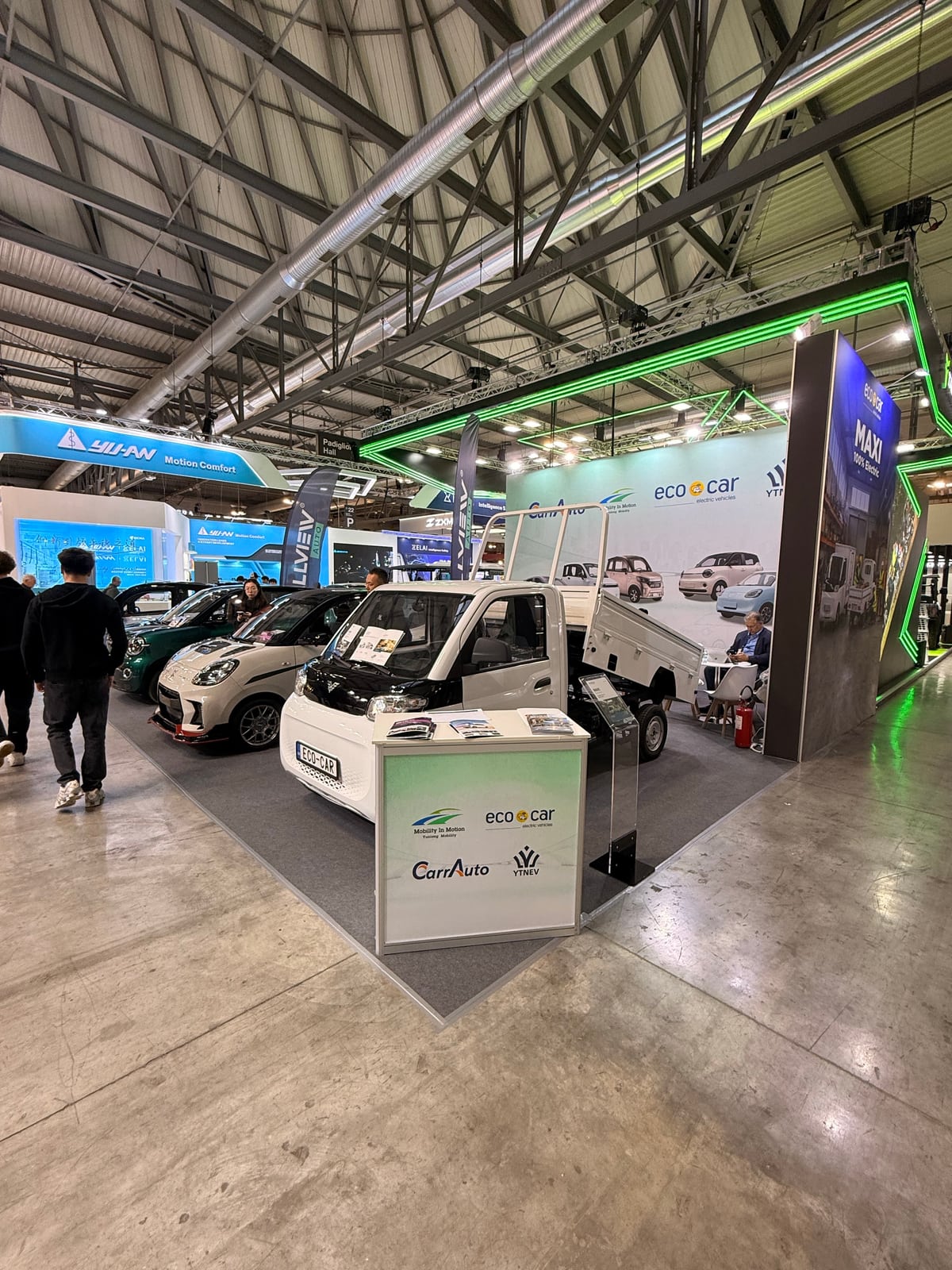
Have questions about the controls or preventive checks for your ECOCAR? Contact our team with the model and year of manufacture so we can direct you to the appropriate guidance.
Χρησιμοποιούμε cookies για να σας προσφέρουμε μια εξατομικευμένη εμπειρία. Επιπλέον, αναλύουμε την επισκεψιμότητα και ενισχύουμε την ασφάλεια της πλατφόρμας, ώστε να απολαμβάνετε τις υπηρεσίες μας σε ένα περιβάλλον που συνεχώς εξελίσσεται.
Όταν επισκέπτεστε οποιονδήποτε ιστότοπο, ενδέχεται να αποθηκεύσει ή να ανακτήσει πληροφορίες στο πρόγραμμα περιήγησής σας, κυρίως με τη μορφή cookies. Ελέγξτε τις προσωπικές σας ρυθμίσεις εδώ.
We use WooCommerce as a shopping system. For cart and order processing 2 cookies will be stored. This cookies are strictly necessary and can not be turned off
woocommerce_cart_hash
woocommerce_items_in_cart
These cookies are set by third-party providers that the user does not visit directly.